Gorée Island: Memorial of the Transatlantic Slave Trade
A UNESCO World Heritage site since 1978, Gorée Island (Île de Gorée) is one of the most powerful symbols of the transatlantic slave trade in world history. For over three centuries, from the 15th to the 19th century, it was the largest slave-trading center on the African coast.
- The House of Slaves (Maison des Esclaves): The emotional core of the island. Built tightly around a courtyard where enslaved men, women, and children were segregated in tiny, windowless cells before exiting through the chilling "Door of No Return" onto waiting ships.
- Fort d'Estrées: Now the Historical Museum of Senegal, a circular fort built in the mid-19th century to defend the harbor.
Saint-Louis (Ndar): The Colonial Capital
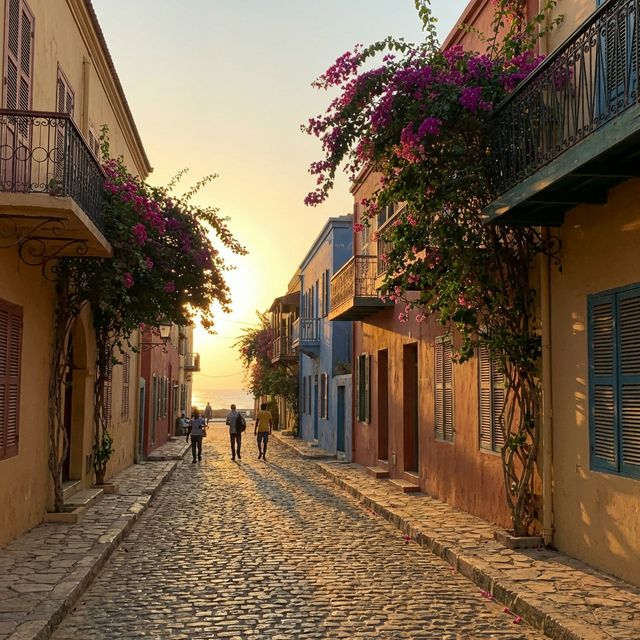
Founded by the French in 1659, Saint-Louis was the first French settlement in Africa and served as the capital of Senegal from 1872 to 1957. Another crown jewel in Senegal's UNESCO list, Saint-Louis is physically defined by its location on a narrow island entirely surrounded by the Senegal River.
- Faidherbe Bridge: The iconic 19th-century metal bridge connecting the island to the mainland mainland, echoing the design language of Gustave Eiffel.
- Signare Culture: Saint-Louis is famous for the "Signares" - powerful and wealthy African or mixed-descent women who commanded immense social and economic power during the colonial trade era.
Dakar: The Struggle for Independence & Pan-Africanism
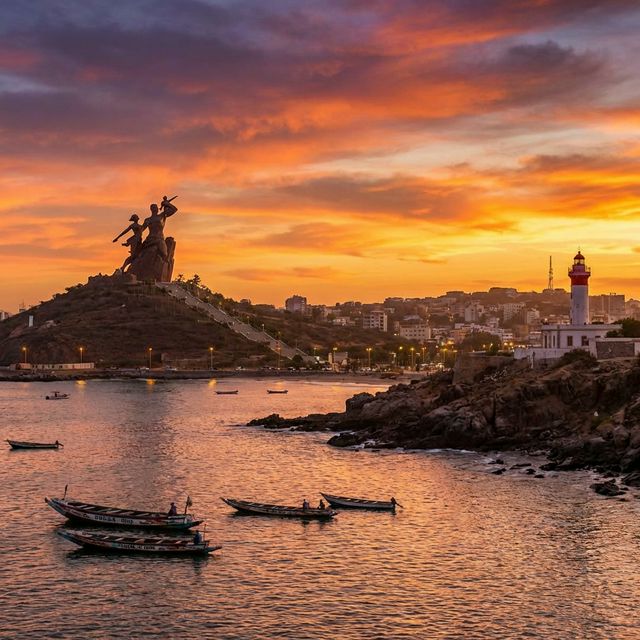
Dakar is not only a modern metropolis but the very birthplace of Senegalese independence. Led by poet and statesman Léopold Sédar Senghor, Senegal became an independent republic in 1960. Senghor's intellectual movement, 'Négritude', championed African identity and deeply influenced modern Senegalese art, politics, and society.
The Senegambian Stone Circles
Long before the colonial era, the Senegambia region supported highly organized societies. The Stone Circles of Senegambia, dating from the 3rd century B.C. to the 16th century A.D., form the largest concentration of megaliths in the world. Sine Ngayène in Senegal contains 52 individual stone circles.